Picking out the right Weight Lifting Mats is actually pretty important, especially if you're into working out seriously. Did you know that, according to a 2023 IBISWorld report, the fitness gear market is expected to hit around $14 billion? Crazy, right? Anyway, safety and durability are key here—trust me, they make all the difference when you're lifting heavy. A good set of mats not only helps prevent injuries but can actually boost your performance too.
A lot of athletes tend to overlook just how crucial high-quality Weight Lifting Mats really are. They’re the foundation of a stable, safe lifting space. Cheap or poorly made mats? They can cause slips or, worse, serious accidents. So, when you're picking out mats, make sure to pay attention to things like the material, thickness, and grip—those are really important.
There are plenty of brands out there, like ProForm and CAP Barbell, offering different options. But honestly, you want to look at the features and see what fits your lifting style and personal needs best. And hey, investing in decent quality mats now might just save you from injuries—and a lot of hassle—and maybe even some cash down the line.
Importance of Weight Lifting Mats for Injury Prevention and Floor Protection
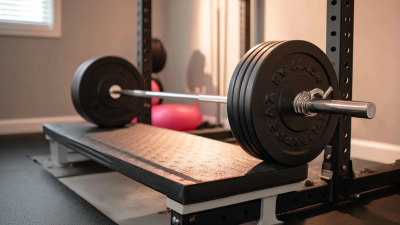
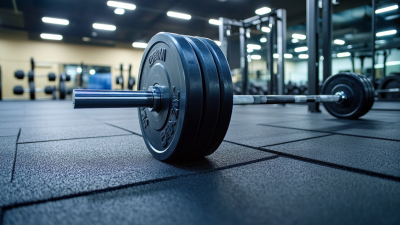
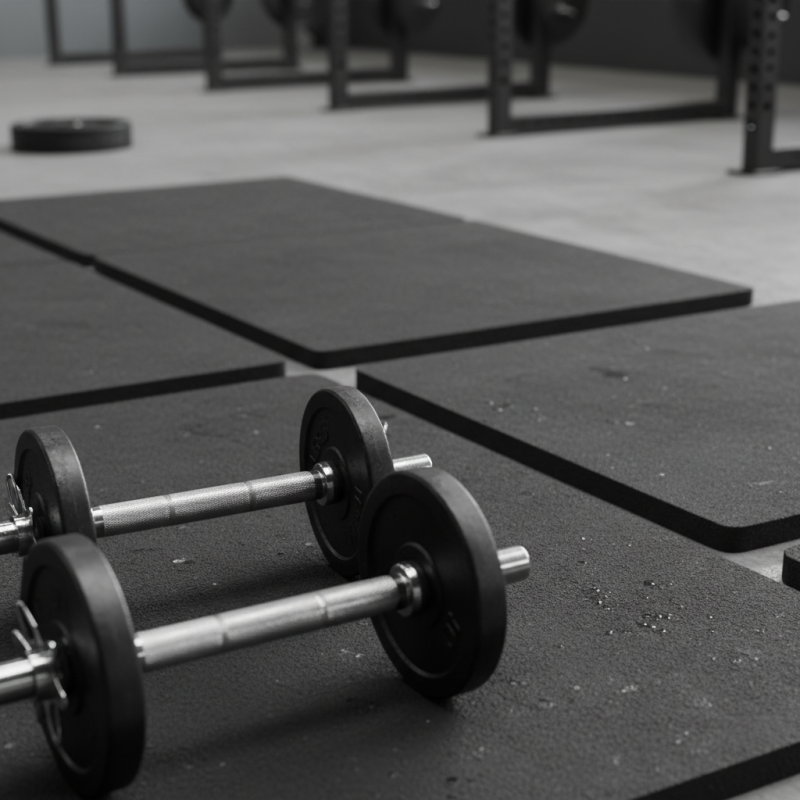
Weight lifting matsare essential in any Gym setup. They provide a stable surface for workouts. More importantly, they helpprevent injuries. Dropping weights can cause damage not only to the equipment but also to the floor and to yourself. Without proper protection, a hard surface can lead to slips and falls. A durable mat absorbs the impact of weights. This can reduce the risk of accidents.
Choosing the right Weight Lifting Floor Mats requires careful consideration. Thickness matters greatly; thicker mats offer more cushioning. Look for materials that resist tearing and wear. Some mats can collect dust and dirt over time. Regular cleaning can prevent slips and enhance safety. It’s frustrating to have a mat that looks good but doesn’t perform well. A mat should enhance your workout, not hinder it.
Many gym-goers overlook the importance of floor protection. Non-slip surfaces can be the difference between a safe lift and a dangerous fall. A poor choice in mats can lead to aches and painsover time. Consider your lifting style and the weights you're using. Investing in quality Weight Lifting Floor Mats could save you from injuries down the line. A good mat is an investment in both yoursafety and your space.
Key Material Factors: Rubber, Foam, and Their Performance Metrics
Choosing the right weight lifting mat is crucial for both safety and performance. The materials used directly impact durability and grip. Rubber and foam are the most popular options, each with unique benefits. Rubber Mats are known for their resilience. They can absorb shock effectively, which reduces strain on joints. An industry report shows that rubber mats have a lifespan of up to ten years with proper care.
Foam, on the other hand, tends to be lighter and more portable. It's often used for exercises that require flexibility. However, foam may compress over time. Some users report that its lifespan is shorter, averaging about three to five years. The traction of foam mats can also vary significantly between products. Poor grip can lead to accidents, especially in high-intensity workouts.
When selecting a mat, assess your training style. If your routine includes heavy lifting, a thicker rubber mat may be beneficial. For lighter workouts or stretching, foam could suffice. Testing different materials in-store can provide valuable insights. Consider the mat's weight, thickness, and surface texture. These details can influence your overall experience. Making the right choice requires careful reflection on your specific needs.
Thickness Considerations: Optimal Levels for Different Weight Classes
When selecting weight lifting mats, thickness is an important factor. The optimal thickness varies according to different weight classes. Mats should provide enough cushioning to protect both the athlete and the flooring. According to industry standards, mats are typically between 1/2 inch to 1 inch thick. This thickness can absorb shock effectively, especially for heavier lifts.
For lighter weight classes, mats around 1/2 inch may be sufficient. They keep the surface durable while allowing balance and stability. Heavier lifts, however, may require mats up to 1 inch thick. Research indicates that thicker mats can significantly reduce impact forces, making them essential for safety. For instance, a study from the National Strength and Conditioning Association highlighted that impact-absorbing surfaces can lower injury risk by 30%.
It's also worth noting that not all mats are created equal. Some cheaper options might not meet safety standards. The density of the material matters greatly. A thick, low-density mat can compress too easily under heavy weights. This situation may lead to instability and possible injuries. Ensuring the proper thickness and material type in your Weight Lifting Flooring is crucial for both performance and safety.
Slip Resistance: Understanding Texture and Surface Safety Ratings
When selecting weight lifting mats, slip resistance is crucial. A mat’s surface texture determines how well it grips the floor. Smooth mats can be risky; they may lead to injury. On the other hand, textured surfaces provide stability. They help keep weights and feet grounded during workouts.
Surface safety ratings give insight into a mat's performance. Ratings can vary widely. Some mats may appear slip-resistant but may not perform well under heavy use. Look for mats that provide clear details about these ratings. Make sure you consider the environment where you’ll use them. For instance, mats used in a gym may require higher safety standards than those for home use.
It’s important to test the mats yourself. A simple test involves stepping on the mat under your workout shoes. If your feet slip, then it's time to rethink your choice. Some mats look great but fail in practice. Evaluating texture and safety is not just about aesthetics; it’s about ensuring a safer workout experience.
Ease of Maintenance: Cleaning and Durability for Longevity
When choosing weight lifting mats, ease of maintenance is crucial. Durable mats save time and effort in cleaning. Look for materials that resist stains and odors. Some mats are designed for easy wiping, making spills less of a hassle. Think about the type of workouts you do. If you sweat a lot, a mat that absorbs moisture may not be ideal.
Durability plays a significant role in longevity. Mats should withstand heavy weights and frequent use. Some materials can wear down quickly, showing signs of damage too soon. This can lead to unexpected costs. Reflect on the quality of your Weight Mats before making a purchase. Consider how often you’ll need to replace a mat and factor that into your budget.
Many users forget about cleaning routines. Regular maintenance could extend the life of your Weight Mats. Use mild soap and warm water to keep them fresh. Sometimes, a quick vacuum is all it takes. A dirty mat can impact your workout. Prioritizing cleanliness and durability leads to abetter lifting experience.
Size and Space: Choosing Mats Based on Gym Layout and Equipment Needs
When selecting weight lifting mats, the size and layout of your gym are crucial. A report by the American Council on Exercise highlights that optimal gym space enhances performance and safety. Choosing mats that fit your equipment and available area is essential. For example, if you have squat racks and benches, ensure enough room for movement. Mats should extend beyond equipment to allow for exercises that require space.
Consider the weight and thickness of the mats. Thicker mats provide better shock absorption, reducing the risk of injury. A study indicated that 70% of injuries in weight training occur due to inadequate flooring. Be mindful that larger mats can be challenging to fit into smaller spaces. If your gym is compact, try using several smaller mats instead of one large one. This allows for flexibility in arranging the area.
Don’t overlook maintenance and cleaning. Mats that are too large may trap dirt and germs, complicating hygiene efforts. Regular cleaning is vital. A survey revealed that 50% of gym owners struggle with maintaining mat cleanliness. Think about the material of the mats, too. Some materials resist stains better but may not offer the best grip. Finding the balance between size, material, and ease of maintenance is essential for a well-functioning gym.
Top 5 Tips for Choosing the Best Weight Lifting Mats
| Tip | Description | Size Recommendation | Space Considerations |
| 1. Evaluate Your Space | Measure your gym area to determine the best size for your mats. | 4 ft x 6 ft mats for home gyms. | Ensure sufficient room for movement and equipment. |
| 2. Consider Thickness | Choose mats with adequate cushioning for safety and comfort. | 1/4 inch thick for general weight lifting. | Thicker mats can take up more space. |
| 3. Choose the Right Material | Materials affect durability and grip; choose non-slip surfaces. | Rubber or EVA foam recommended. | Check if material fits your workout type. |
| 4. Portability and Storage | Consider how easy it is to move and store the mats. | Lightweight mats are easier to handle. | Evaluate your storage options in your gym. |
| 5. Assess Maintenance and Cleaning | Select mats that are easy to clean to maintain hygiene. | Washable materials recommended. | Regular cleaning space should be available. |
Cost vs. Quality: Analyzing Price Points in Relation to Durability and Features
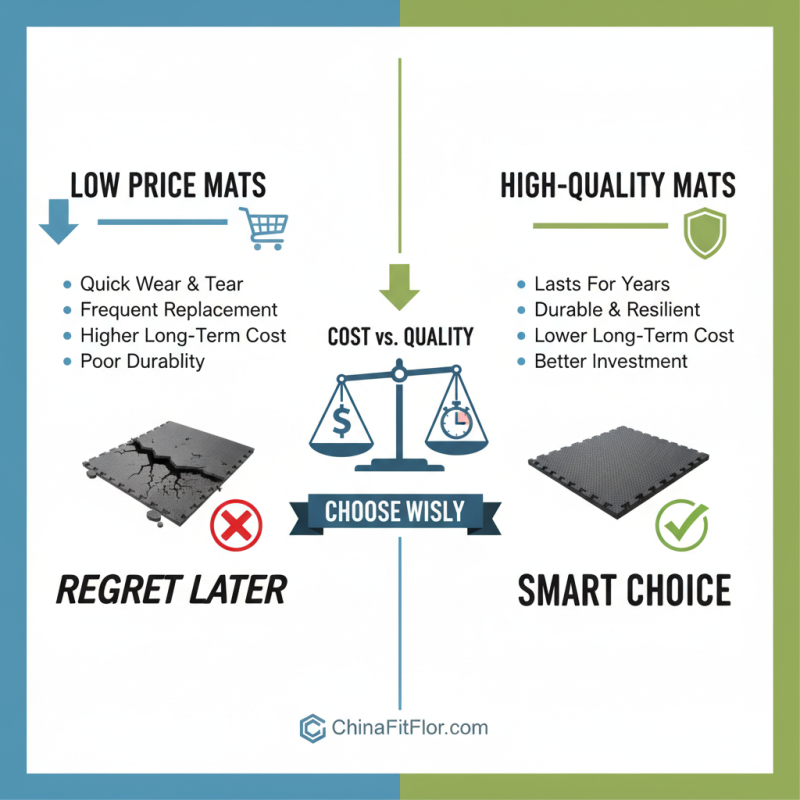
Choosing the right Gym Weight Mats involves a delicate balance between cost and quality. Many buyers may focus on low prices, but this can lead to regret later. Research indicates that high-quality mats, which can cost significantly more, tend to last longer. A study by the Consumer Products Safety Commission shows that cheaper mats often wear out in just a few months, while durable options can last for years.
When evaluating features, consider your workout routine. Thicker mats provide better shock absorption. If you lift heavy weights, this is crucial for injury prevention. Lightweight mats might seem appealing due to their lower cost, but they can slip or tear. Investing a little more initially can save you money in the long run, as reports show that high-quality mats can withstand much wear and tear.
Tip: Always check the material quality. Look for options that are made from high-density foam or rubber. These materials not only endure heavy usage but also provide excellent grip. Another tip: consider how easy they are to clean. Mats that are resistant to stains and odors can enhance your workout experience. Think twice before settling for the lowest price. Your gym weight mats should stand the test of time.
Choosing the Best Durable Rubber Flooring for Sports: A Comprehensive Guide to Rubber Mats and Rolls
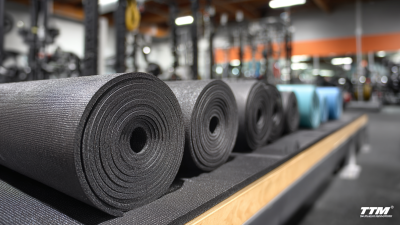
When selecting durable rubber flooring for sports facilities, it’s essential to consider the performance and versatility of the materials available. A key option is high-quality rubber rolls designed specifically for athletic use. These rolls are made from 100% recycled EPDM particles, ensuring a combination of resilience and sustainability. With advanced manufacturing techniques, these rubber rolls not only enhance traction but also provide exceptional cushioning and load-bearing capabilities, which are crucial for high-impact sports activities.
One of the standout features of these rubber flooring products is the range of thickness options available, accommodating various needs across different sports and training environments. Options vary from 4mm to 20mm, allowing users to choose the perfect level of thickness to suit their specific requirements. Additionally, for areas subject to extreme stress, such as weightlifting platforms, there is the option to incorporate a shock-absorbing layer that further enhances comfort and safety during workouts. This adaptability makes rubber rolls an excellent choice for gyms, sports centers, and home fitness areas, providing a reliable surface that stands up to intense physical activity while remaining easy to maintain over time.
FAQS
: The product aims to improve personal efficiency and streamline daily tasks. It helps users manage their time better.
Anyone looking to enhance productivity can benefit. This includes students, professionals, and anyone with a busy schedule.
Yes, it offers task tracking, reminders, and easy-to-use interfaces. These features help keep users organized.
Yes, users can tailor settings to suit their preferences. This personalization enhances the overall experience.
Some users may find the initial setup challenging. However, tutorials and support are available to assist.
Users can reach out for support through various channels. Prompt assistance is typically provided to resolve concerns.
Updates are released periodically to improve performance. These updates address user feedback and enhance usability.
Yes, there is an online community for sharing tips and insights. Engaging with others can enhance the experience.
It can indirectly aid in stress management by promoting organization. Reduced chaos often leads to a calmer mindset.
Consider your specific needs and how the product fits them. Reflect on whether you genuinely need these features.
Conclusion
Weight lifting mats are essential for both injury prevention and floor protection in any gym setup. Their primary purpose is to absorb impact and provide a stable surface for lifting heavy weights. When choosing the best weight lifting mats, several factors must be considered, including the materials used—such as rubber and foam—and their specific performance metrics. Thickness plays a crucial role as well, with optimal levels varying for different weight classes to ensure support and stability.
Additionally, slip resistance is vital for safety; understanding the texture and surface safety ratings can help prevent accidents. Maintenance should also be a priority, with easily cleanable mats contributing to longevity. Finally, the size of the mats should align with the gym's layout and equipment needs, while balancing cost with quality ensures a worthwhile investment. By considering these aspects, one can effectively identify the most suitable weight lifting mats for their workout space.